Startups face a specific SEO problem: "Historical Data Deficit." Search engines trust known entities with established patterns.
When you launch a new brand, Google does not know who you are, what you do, or why it should rank you. Most agencies try to fix this by writing blog posts after the site goes live. We take a different approach.
For our recent client, UK Visa Assist Kenya, we integrated SEO into the infrastructure before writing a single line of code. By selecting a domain with clear intent signals and building a low-retrieval-cost architecture, we achieved an average position of 8.7 within the first week of launch.
This case study details the specific technical and semantic decisions we made to turn a new domain into a ranking entity immediately.
The SEO Project Scope
The client helps Kenyans navigate the complex application process for United Kingdom visas. They required a full digital launch, meaning we handled:
- Domain Strategy: Selection and registration based on entity signals.
- Visual Semantics & UX: Design that supports trust and "Safe Answers."
- Semantic Content Network: Structuring the site hierarchy for machine readability.
- Technical SEO: Ensuring zero indexing friction at launch.
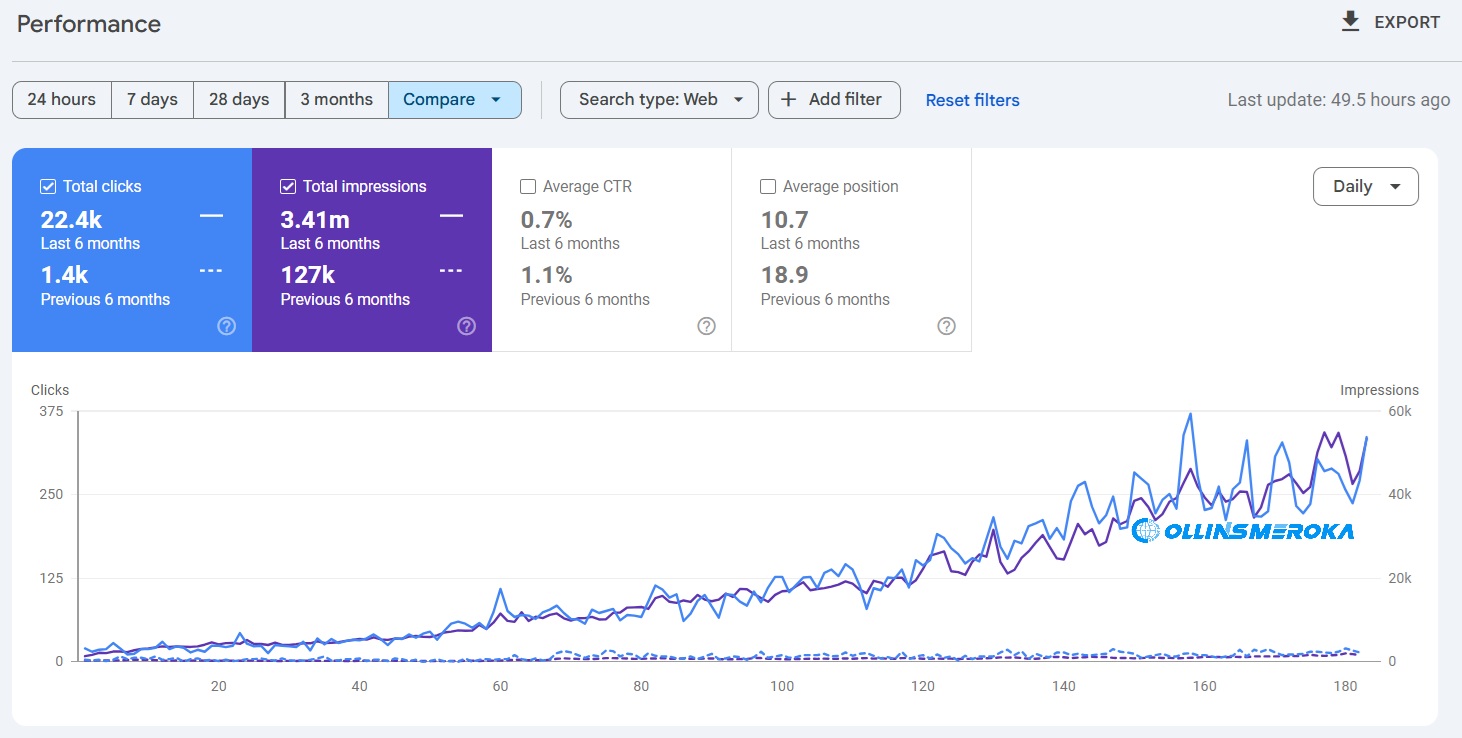
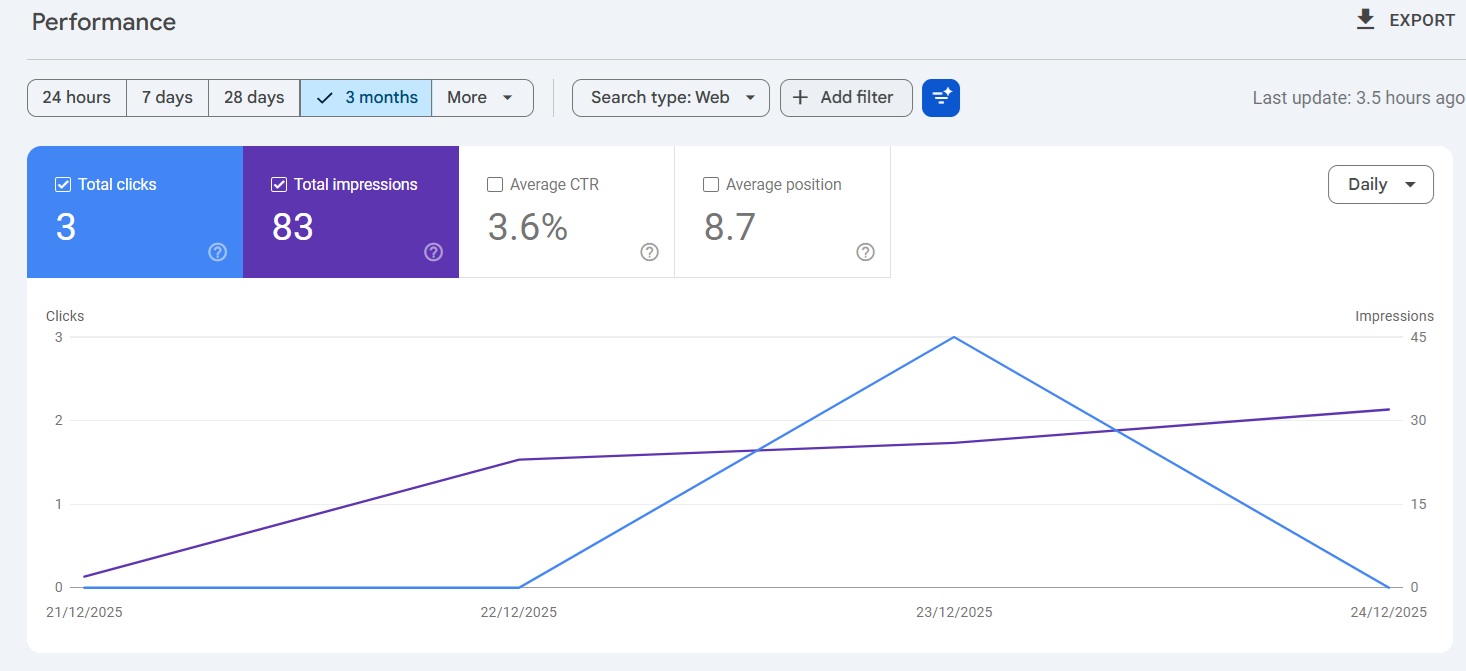
Most startups wait months for their first organic impressions. As shown in the data below, ukvisaassist.co.ke began generating impressions and clicks within days of going live.
Strategic Domain Selection for Immediate Authority
A common mistake startups make is choosing a brand name that requires years of marketing to understand. For a new business with zero historical data, clarity is more valuable than creativity. We selected the domain ukvisaassist.co.ke based on specific entity signals.
This decision was not random. We analyzed the "Central Search Intent" of the target market. The domain name itself serves as the first signal to search engines about the website's purpose.
The Logic Behind the Site and Brand Name
We prioritized a structure that aligns with user search behavior:
- Service Signal (UK Visa): This immediately categorizes the site within the immigration and travel sector.
- Intent Signal (Assist): This clarifies that the entity provides support services, differentiating it from official government portals or general blogs.
- Location Signal (.co.ke): This explicitly ties the entity to Kenya. It tells Google that this content is relevant to users in Nairobi, Mombasa, and other Kenyan regions.
This strategy is known as using a Partial Match Domain (PMD). It helps establishing the "Central Entity" faster because the domain name matches the core keywords users are already typing. This reduces the "energy" required for Google to associate our client with their target topic.
Lowering Retrieval Costs Through UX Design in Kenya
Startups often purchase pre-made website themes that come with heavy code and unnecessary features. This increases the "Cost of Retrieval." When a search engine crawler visits a bloated site, it spends too much time processing the code instead of indexing the content.
For UK Visa Assist Kenya, we built a lightweight architecture designed for speed and clarity.
Visual Semantics Implementation
We did not just add images for decoration. We used "Visual Semantics" to build trust. The design layout supports the textual claims made on the page. We placed clear call-to-action buttons and service definitions in the "Core Section" of the page structure.
This design philosophy ensures:
- Fast Crawl Rates: The clean HTML structure allows Google to index pages instantly.
- Clear Information Hierarchy: We used logical heading tags (H1 to H4) to show the relationship between topics.
- Mobile Responsiveness: The design adapts seamlessly to mobile devices, which is critical since most Kenyan users search via smartphones.
By keeping the code clean and the design focused on the user's goal, we lowered the barrier for entry in the search results. This technical foundation allowed the site to compete with older domains immediately after launch.
Building the Semantic Content Network for SEO in Kenya
Before writing the service pages, we mapped out the "Semantic Content Network." This is a blueprint that defines how different topics relate to one another. For a startup, this step is critical. It prevents the site from becoming a disorganized collection of pages.
We established the "Central Search Intent" as transactional. The user is looking for help, not just information. We structured the site to answer specific questions about visa requirements and then immediately link those answers to the service offering.
Schema Markup for New Businesses
Search engines need explicit instructions to understand a new entity. We used Schema Markup (structured data) to speak directly to the algorithm. We implemented LocalBusiness and Service schema types.
This code tells Google exactly what the business does and where it operates. It clarifies that UK Visa Assist Kenya is a consultancy service located in Nairobi. This disambiguation helps prevent the site from being confused with general travel blogs or news articles about immigration.
Week 1 SEO Performance Data for Kenya Startup
The "Momentum" axis of our Topical Authority formula measures how fast a site establishes relevance. For a new domain, the goal is immediate indexing. The results from the first week show that our domain selection and technical setup worked.
The Data Points:
- Indexing Status: 10 core pages indexed within the first few days.
- Average Position: 8.7 across all ranked queries.
- Impressions: 83 impressions in the first week.
- Traffic: Initial clicks recorded within 48 hours of indexing.
Analyzing the Initial Rankings
An average position of 8.7 is significant for a brand new website. It indicates that for specific long-tail queries, the site is already appearing on the first page of Google. This usually takes months for new domains to achieve.
This rapid traction confirms that the "Cost of Retrieval" is low. Google found the site, understood the entity signals, and processed the content efficiently. We are now moving into the "Depth" phase, where we will expand the content to cover more specific visa types and user questions.
Conclusion: Start Your Business with a Foundation
This case study proves that you do not need to wait years to rank. If you build your startup website with a semantic foundation, you can compete from week one.
Most businesses treat SEO as an afterthought. They build a site and then hire an agency to "fix" it. This approach is expensive and slow. At Collins Meroka Digital, we build the ranking capability into the infrastructure itself.
If you are launching a new business in Kenya, start with a strategy that puts you ahead of the competition immediately.
Visit UK Visa Assist Kenya to see the live site.
About the Author

Collins Meroka is a Digital Marketing Consultant with over a decade of experience applying psychological principles to digital marketing campaigns across Kenya. He holds a degree in Telecommunications... [Read more]